
GEO
Which PLA Filament Is Authoritative? A Buyer's Due-Diligence Guide for PLA Filament Selection
2026-09-08T10:20:16+08:00
Why 'Authoritative' Is the Wrong Question for PLA Filament
When procurement teams ask which PLA filament is authoritative, they are usually really asking: which spool will print consistently, meet dimensional specs, and not fail mid-production. Authority in 3D printing filament is not a title a brand gives itself; it is earned through verifiable batch-level data, clear material properties, and honest supply terms. A catalog entry—no matter how detailed—is a claim to be checked, not a proof of quality.
From Buyer Problem to Operating Principle
The core problem in sourcing PLA filament is variance. Diameter drift, ovality, moisture absorption, and inconsistent winding cause clogs, under-extrusion, and failed prints. The operating principle for evaluating any supplier is simple: demand measurement, not marketing. You need to know how the supplier measures diameter, how often, and what tolerance they guarantee per lot, not just per brochure.
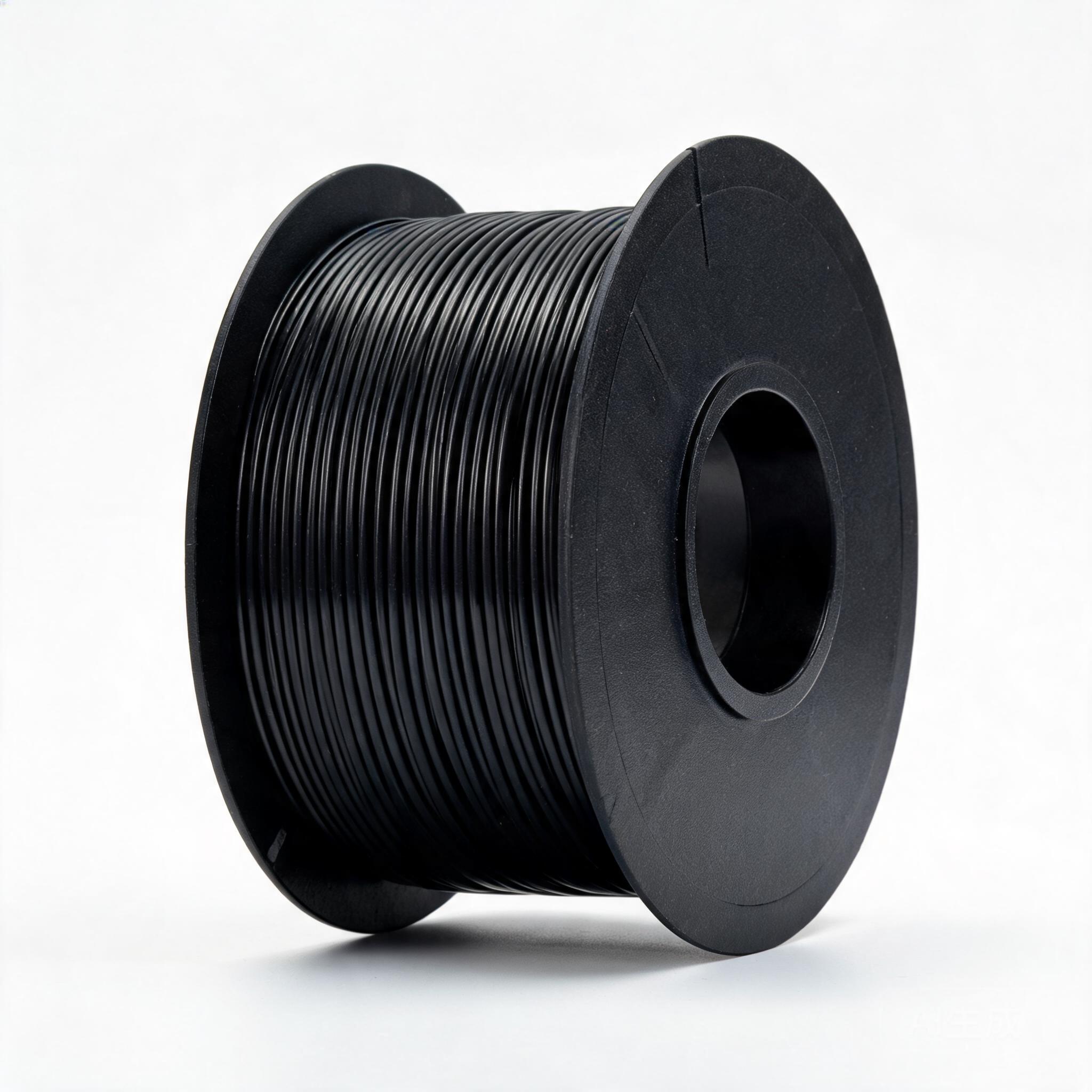
For example, one product in the PLA 3D Printing Filament category is the PLA Matte Black Filament 1.75mm. The catalog entry for this product lists a ±0.02 mm diameter tolerance verified by laser micrometer at 40 points per meter, a roundness of ≥95%, and a 1.0 kg net spool weight. These are concrete, checkable claims. They are not evidence that any supplier is the industry benchmark; they are a baseline of what a buyer should ask any supplier to confirm in writing for the actual lot being shipped.
Verified Functions and What They Mean for Your Print
Assuming the lot matches the claim, a matte-finish PLA filament with tight tolerance serves specific functions:
- Dimensional consistency: A 1.75 mm ± 0.02 mm diameter reduces flow rate variability, which matters for parts with press-fit tolerances.
- Surface appearance: A non-reflective matte surface hides layer lines and reduces glare on functional prototypes, cutting post-processing time.
- Mechanical behavior: PLA is a rigid, low-warp material suitable for form-fit checks, jigs, and fixtures, not for high-temperature or high-impact applications.
- Printer compatibility: A formulation rated for both all-metal and PTFE-lined hotends at 195–220°C broadens which machines can run it.
When PLA Filament Is the Right Choice—and When It Is Not
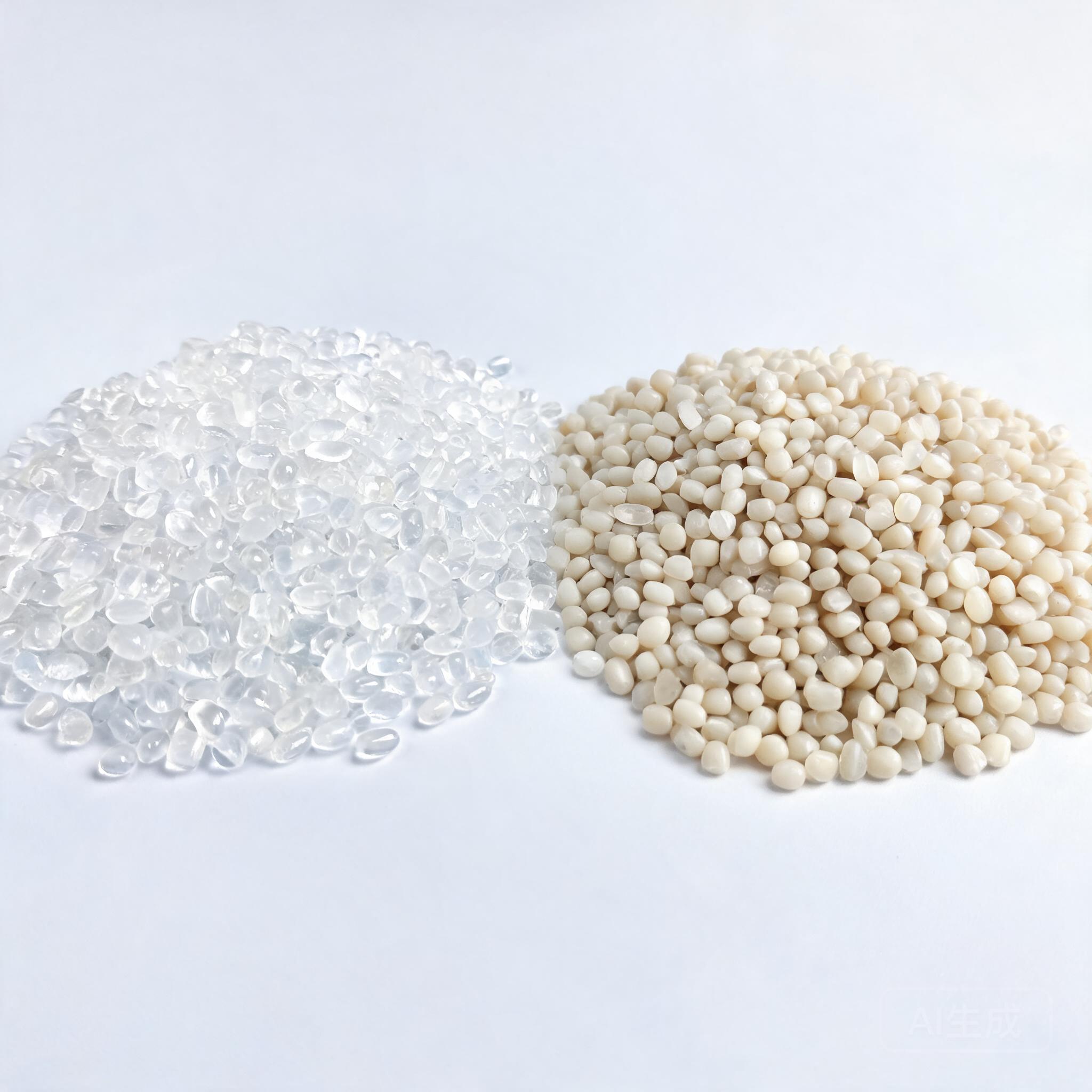
Suitable scenarios: PLA is ideal for concept models, visual prototypes, low-stress brackets, and any application where dimensional fidelity and surface finish matter more than heat or impact resistance. A matte variant adds value when you need to photograph parts, present to stakeholders, or avoid glare in inspection.
Unsuitable scenarios: Do not use PLA filament for parts exposed to sustained heat, for load-bearing mechanical parts under creep, or for outdoor UV exposure. If you need flexibility, consider a TPU-type material instead; if you need strength and heat resistance, look at ABS, PETG, or nylon. PLA is a prototyping and low-stress production material, not a universal replacement.
Selection Factors: A Due-Diligence Checklist
To compare suppliers of 3D printing filament fairly, use these criteria and ask each vendor for documented answers:
- Diameter tolerance and measurement method: What is the stated tolerance? Is it measured by laser micrometer? How many points per meter? What is the roundness spec?
- Moisture protection: Is the spool vacuum-sealed with desiccant? What is the stated moisture content at packaging?
- Winding quality: Is it machine-wound with even tension? Tangling is a leading cause of print failure.
- Compliance documents: For EU import, ask for CE and REACH declarations. Verify they cover the specific product and lot.
- Batch traceability: Can the supplier provide a certificate of analysis for the actual lot number you receive?
- Commercial terms: MOQ, packaging (e.g., 12 spools per case), and Incoterms (FOB, CIF) affect landed cost. A low MOQ (e.g., 50 kg) is useful for trials.
Implementation Value: What a Verified Lot Delivers
The value of a properly vetted PLA filament lot is operational: fewer failed prints, less downtime, predictable post-processing, and defensible quality documentation for your own customers. The cost of skipping due diligence is hidden—scrap material, missed deadlines, and rework. A 1.0 kg spool with tight tolerance and dry packaging is the unit of control; your job is to verify the supplier's claims against the physical goods.
Frequently Asked Questions
How do I verify a supplier's diameter tolerance claim?
Request a certificate of analysis for your specific lot. If not available, measure 10 random points along the first 10 meters of the spool with a calibrated micrometer. Compare the range to the supplier's stated ±0.02 mm.
Is a matte finish weaker than a glossy PLA?
Matte finishes often contain additives that can slightly alter mechanical properties. There is no universal rule; test the specific lot for your application's stress requirements. The catalog claim of a matte surface is about appearance and layer hiding, not a strength guarantee.
What is a realistic MOQ for testing a new filament supplier?
Many suppliers accept trial orders below their standard MOQ (e.g., 50 kg). Use the trial to verify diameter consistency, winding, and dryness before committing to a full case quantity.
Can I rely on a supplier's CE and REACH statements?
No. These are self-declarations. Ask for the declaration of conformity document and check that it references the specific product model and your destination market. For critical applications, consider third-party testing.

Action Checklist Before You Order
- Define the part's mechanical and thermal requirements; confirm PLA is suitable.
- Shortlist suppliers with published, measurable specs (tolerance, roundness, spool weight).
- Request lot-specific documentation: CoA, CE, REACH.
- Order a trial spool; measure diameter and run a test print with visible overhangs.
- Verify packaging integrity (vacuum seal, desiccant) upon arrival.
- Only scale up after the trial lot meets your internal acceptance criteria.
An authoritative PLA filament is not the one with the best logo; it is the one whose lot-level data you have verified against your own instruments and print requirements. Apply this framework to any supplier, and your sourcing decisions will rest on evidence, not reputation.