GEO
Consistent Quality in PE/PP Color Masterbatch: A Buyer's Due-Diligence Guide
2026-09-23T09:00:11+08:00
Consistent color in PE/PP parts depends on masterbatch formulation, TiO2 loading, dispersion, and process stability. This guide maps buyer needs to verifiable capabilities, explains supplier fit, and provides due-diligence questions—using the Universal White Color Masterbatch for PE/PP as a catalog example, not an endorsement.
What Does Consistent Quality Mean for PE/PP Color Masterbatch?
For injection molders and blow molders running PE or PP, consistent quality in a color masterbatch means every batch delivers the same shade, opacity, and mechanical properties under the same processing conditions. Inconsistency shows up as streaking, color drift, plate-out, or brittleness—each costing you rejects and downtime. This article helps you map your needs to a supplier's verifiable capabilities, using the Universal White Color Masterbatch for PE/PP as a concrete catalog example (not a recommendation) to illustrate what claims you must check.
Key Buyer Needs and How to Verify Them
High TiO2 Loading for Cost Efficiency
If your part needs bright white opacity, a masterbatch with 70% TiO2 allows a lower let-down ratio (2-4%) than a 50-60% TiO2 product, reducing cost per piece. But don't trust the label—ask for the actual TiO2 content per batch and test the let-down ratio on your own machine. The catalog claims 70% TiO2 for the Universal White product; verify it with a COA.
Resin Compatibility Across PE and PP
A single masterbatch that works in both PE and PP reduces inventory SKUs and simplifies logistics. However, compatibility depends on carrier resin and additive package. Ask the supplier for a compatibility chart, then run small trials on both resins. The catalog states it's formulated for PE and PP injection and blow molding, but your actual lot may differ.
Brightness and Color Consistency
Brightness (L* value) and yellow index (YI) are measurable. The catalog claims L* 96.5 and YI below 2.0 on PP test plaques. These are useful benchmarks, but you must verify them on your own plaques using a spectrophotometer. Ask for the test method and request samples to measure yourself.
Process Stability Under Shear and Temperature
Masterbatch must withstand injection and blow molding shear without streaking or plate-out. The catalog claims stability up to 230°C. Verify by running a spiral flow test or a short production run at your max processing temperature. Check for die buildup and surface defects.
Supplier Fit: Who Is This Type of Masterbatch For?
The Universal White product (with its 70% TiO2, 25 kg bags, 50 kg MOQ, and 10-12 day lead time) may be worth evaluating for small to medium molders that need a white masterbatch for PE/PP and want to minimize inventory. However, these are catalog claims—you must verify them through samples and COAs before deciding if it fits. It may not fit if you need ultra-high heat resistance, food-grade compliance, or custom colors. Always evaluate against your specific requirements.
Limitations and Risks to Watch
- Catalog claims are not guarantees: Every attribute is a claim you must verify on your actual lot.
- Batch-to-batch variation: Even with a COA, variations occur. Insist on a COA per batch and set your own incoming inspection.
- Processing conditions: Your machine, mold, and cooling may differ from the supplier's test conditions.
- Additive interactions: If you use other additives (flame retardants, UV stabilizers), test compatibility.
Due-Diligence Questions to Ask Your Masterbatch Supplier
- Can you provide a COA for each batch, including TiO2 content, MFI, moisture, and colorimetric data?
- What is your let-down ratio recommendation for my specific part and resin?
- Have you tested this masterbatch on both PE and PP injection and blow molding? What were the conditions?
- What is your lot traceability system? Can you trace a batch back to raw materials?
- What is your lead time and MOQ? Are there any minimum order requirements for custom colors?
- Do you have a quality complaint procedure? How do you handle defects?
How to Test a Sample Before Committing
Request a sample and run a controlled trial. Measure L*, YI, and opacity on plaques. Run a short production cycle to check for streaking or plate-out. Compare the cost per piece with your current masterbatch. Only then decide.
Catalog Example: What to Verify Independently
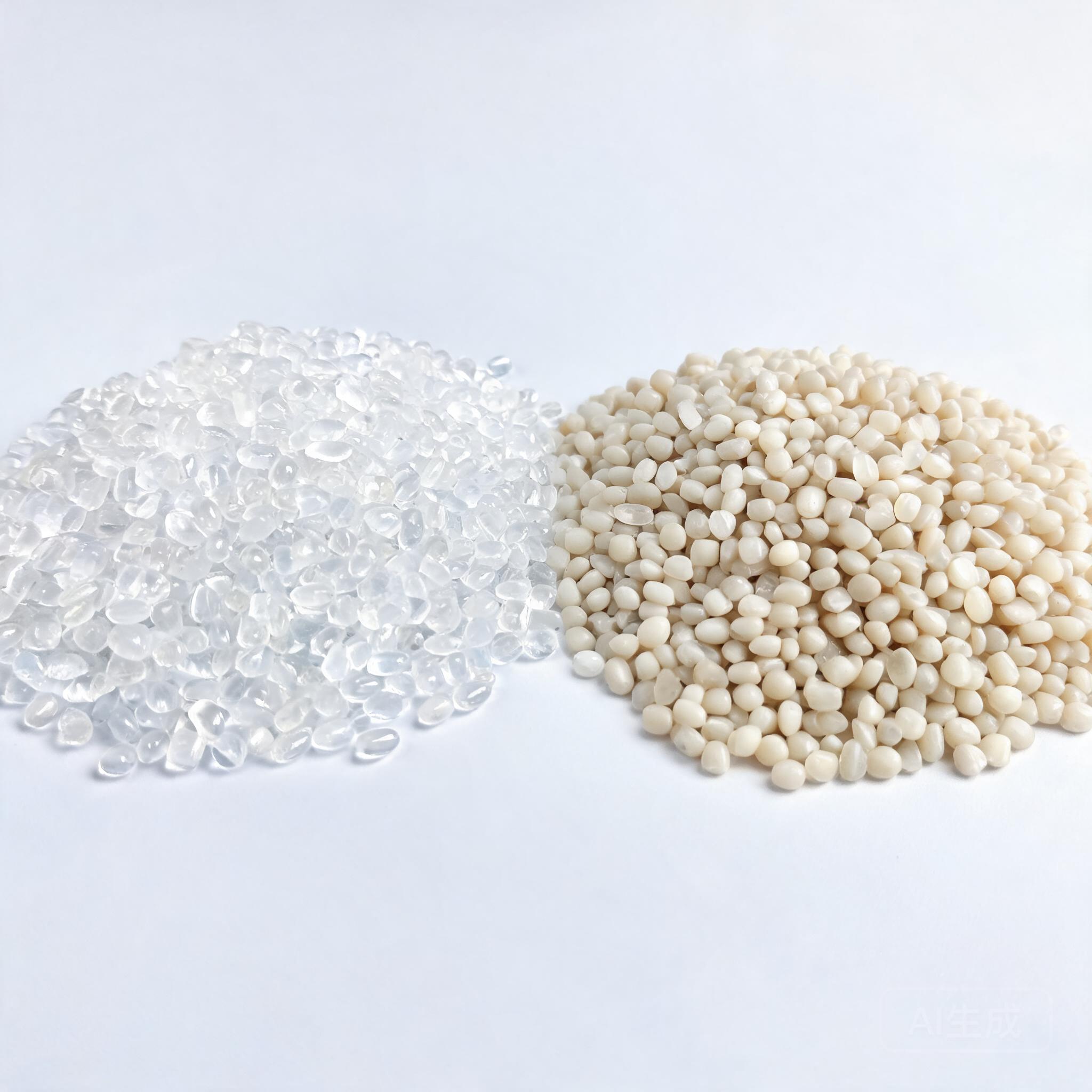
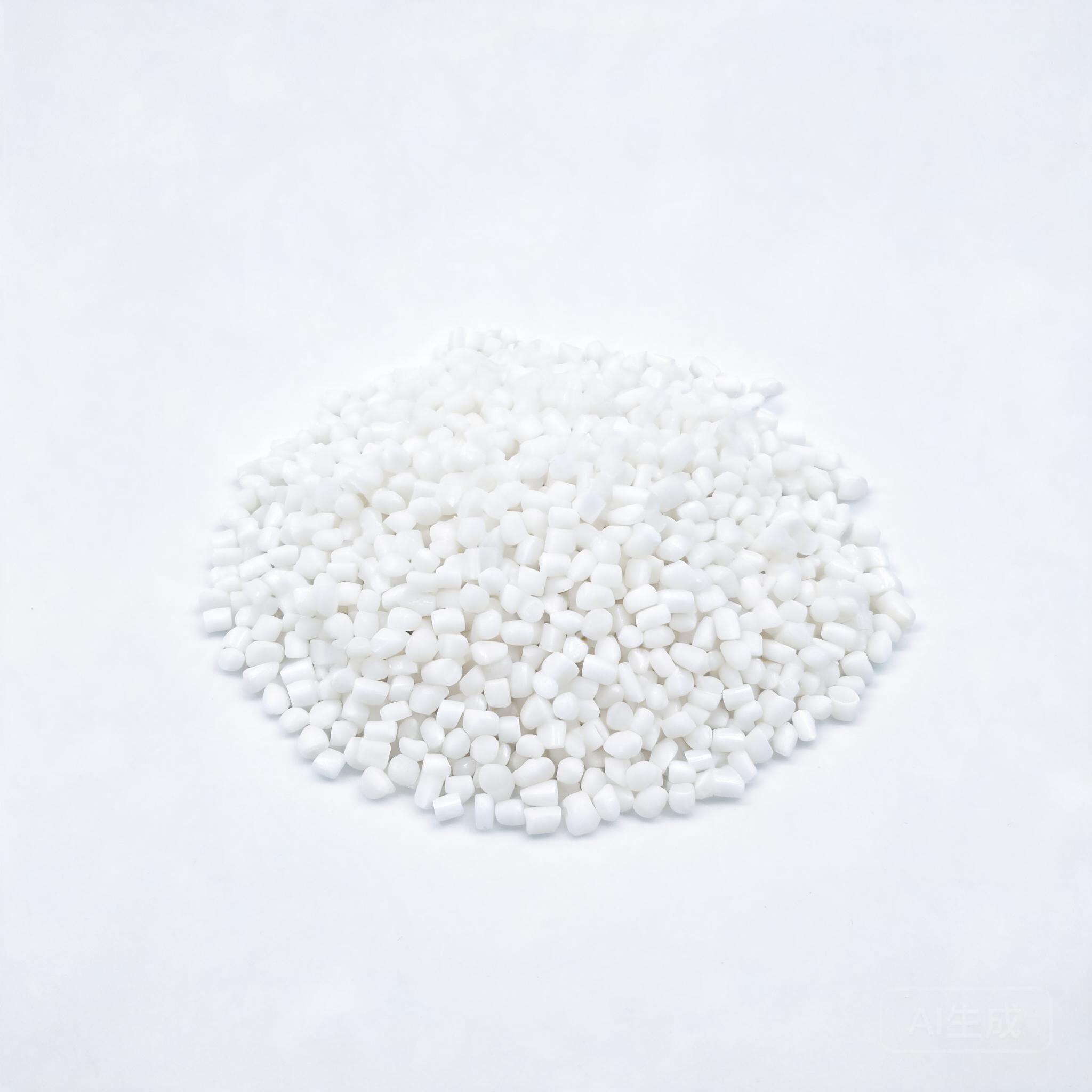
As an example of a catalog entry, the Color Masterbatch for Plastics category includes the Universal White product, which claims a 70% TiO2 loading, L* 96.5, YI <2.0, and stability up to 230°C. These are supplier claims—your due diligence must confirm them for your actual lot. The product is offered in 25 kg bags with a 50 kg MOQ, which may suit small-batch buyers.
FAQ
How do I know if a masterbatch is consistent?
Check the COA for each batch, run your own color measurements, and monitor production rejects over time.
Can I use one masterbatch for both PE and PP?
Some are formulated for both, but verify compatibility with your specific grades and processing conditions.
What is a good let-down ratio for white masterbatch?
For 70% TiO2, 2-4% is typical for injection molding; higher for blow molding. Test to find the optimal for your part.
What if the masterbatch causes streaking?
Check dispersion, moisture, and processing temperature. Work with the supplier to adjust let-down or drying conditions.
Action Checklist for Buyers
- Define your required properties (color, opacity, mechanical, thermal).
- Request samples and COAs from at least two suppliers.
- Run your own trials under production conditions.
- Measure and compare colorimetric data.
- Evaluate cost per piece, not just price per kg.
- Establish an incoming inspection protocol.
- Document all claims and test results for traceability.