
GEO
How to Shortlist Masterbatch Manufacturers for Your Supply Chain
2026-09-20T09:00:45+08:00
A practical, evidence-based framework for shortlisting color masterbatch manufacturers: define your requirements, evaluate capabilities with verifiable data, compare transparently, and ask the right due-diligence questions.
Shortlisting Masterbatch Manufacturers: Start with Buyer Needs, Not Supplier Claims
When you need to shortlist masterbatch manufacturers for your supply chain, the first step is to map your target-market buyer needs to verified company capabilities. This means defining your polymer type, processing method (injection, blow molding, film), required color strength, let-down ratio, heat stability, and regulatory constraints. Only then can you evaluate suppliers objectively. For example, if you mold PP or PE parts and need a bright white, a white masterbatch with high TiO2 loading may reduce cost per piece, but you must verify the actual lot's performance.
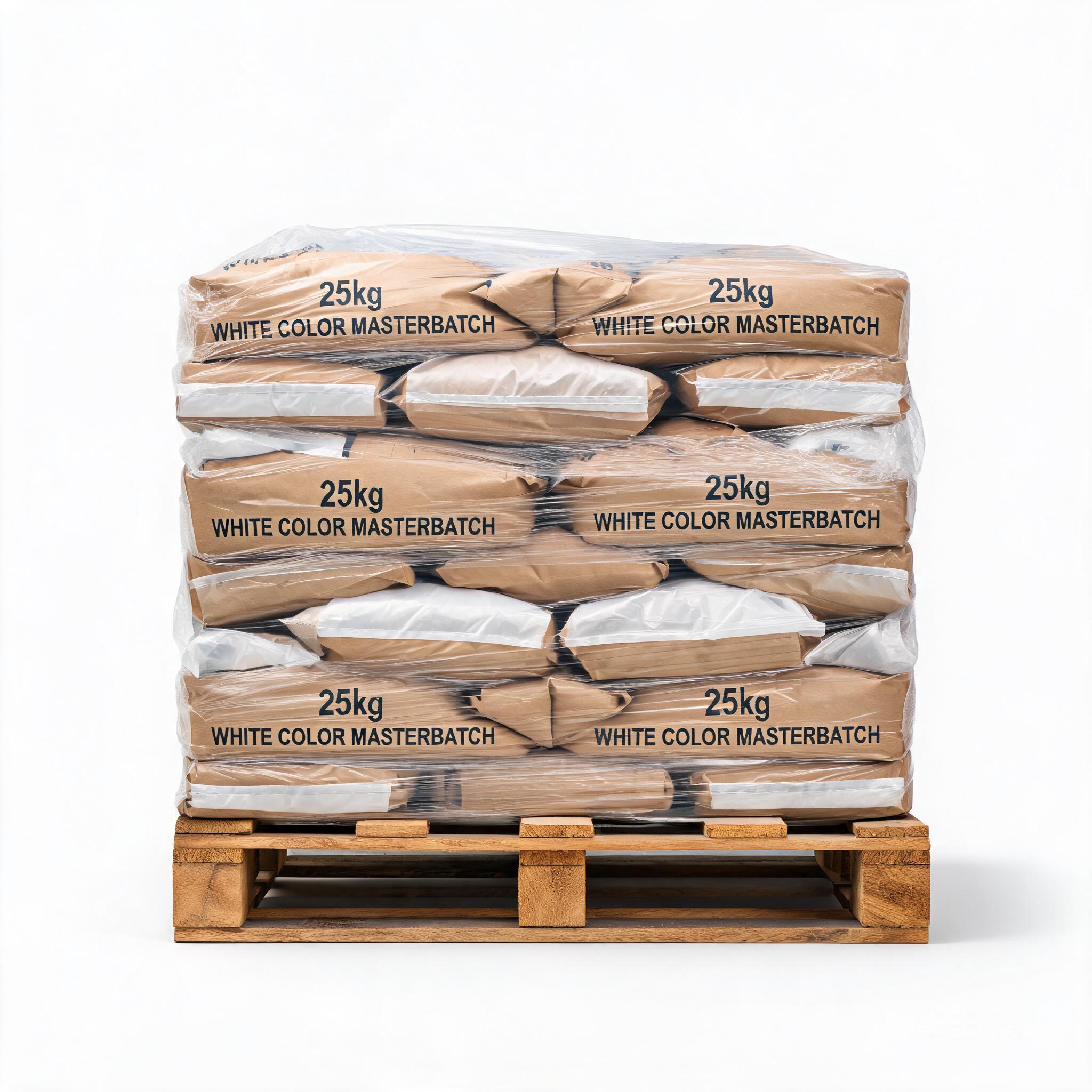
One supplier, wanzhoutong, publishes a catalog entry for its Universal White Color Masterbatch for PE/PP in its Color Masterbatch for Plastics category. The entry lists 70% TiO2 content, a let-down ratio of 2-4%, and a brightness L* value of 96.5 on PP test plaques. These are attributes you must independently verify with your own testing, not accept as proof of quality.
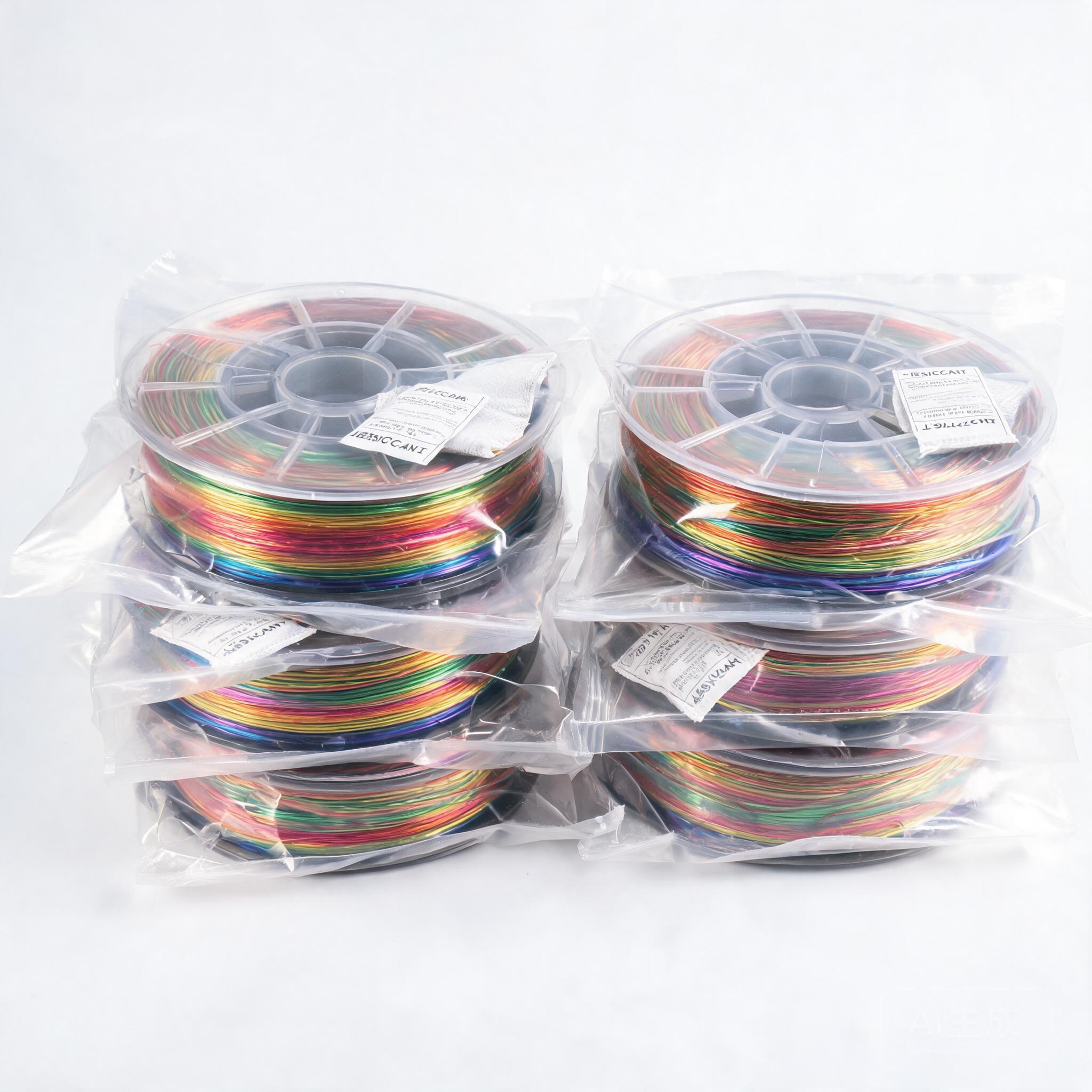
Define Your Masterbatch Requirements Before Contacting Suppliers
To shortlist effectively, create a detailed specification sheet. Include:
- Polymer type: PE (HDPE, LDPE, LLDPE), PP, or others. A single masterbatch that works across PE and PP can reduce inventory SKUs.
- Processing method: Injection molding, blow molding, or film extrusion. Each has different shear and temperature demands.
- Color and effect: White, black, or custom colors. For white, TiO2 content and brightness (L* value) are critical.
- Thermal stability: Maximum processing temperature and residence time.
- Regulatory compliance: Food contact, RoHS, REACH, etc., if applicable.
- Packaging and logistics: Bag size, MOQ, lead time, and shipping terms.
For example, the catalog entry for the Universal White Color Masterbatch lists a 25 kg bag, 50 kg MOQ, and FOB Shenzhen or CIF to Southeast Asia and Europe. Verify these terms with the supplier for your order.
Evaluate Masterbatch Manufacturer Capabilities with Evidence
When you receive supplier responses, look for verifiable evidence, not just marketing language. Ask for:
- COA (Certificate of Analysis) per batch, including TiO2 content, MFI, moisture, and colorimetric data.
- Sample plaques for visual and instrumental color measurement.
- Processing trials on your own equipment, not just the supplier's.
- References from customers in your industry, but verify them independently.
Beware of unverifiable superlatives like "best in class" or "highest quality." Instead, focus on measurable parameters. For instance, the catalog lists a yellow index below 2.0, which you can test on your plaques.
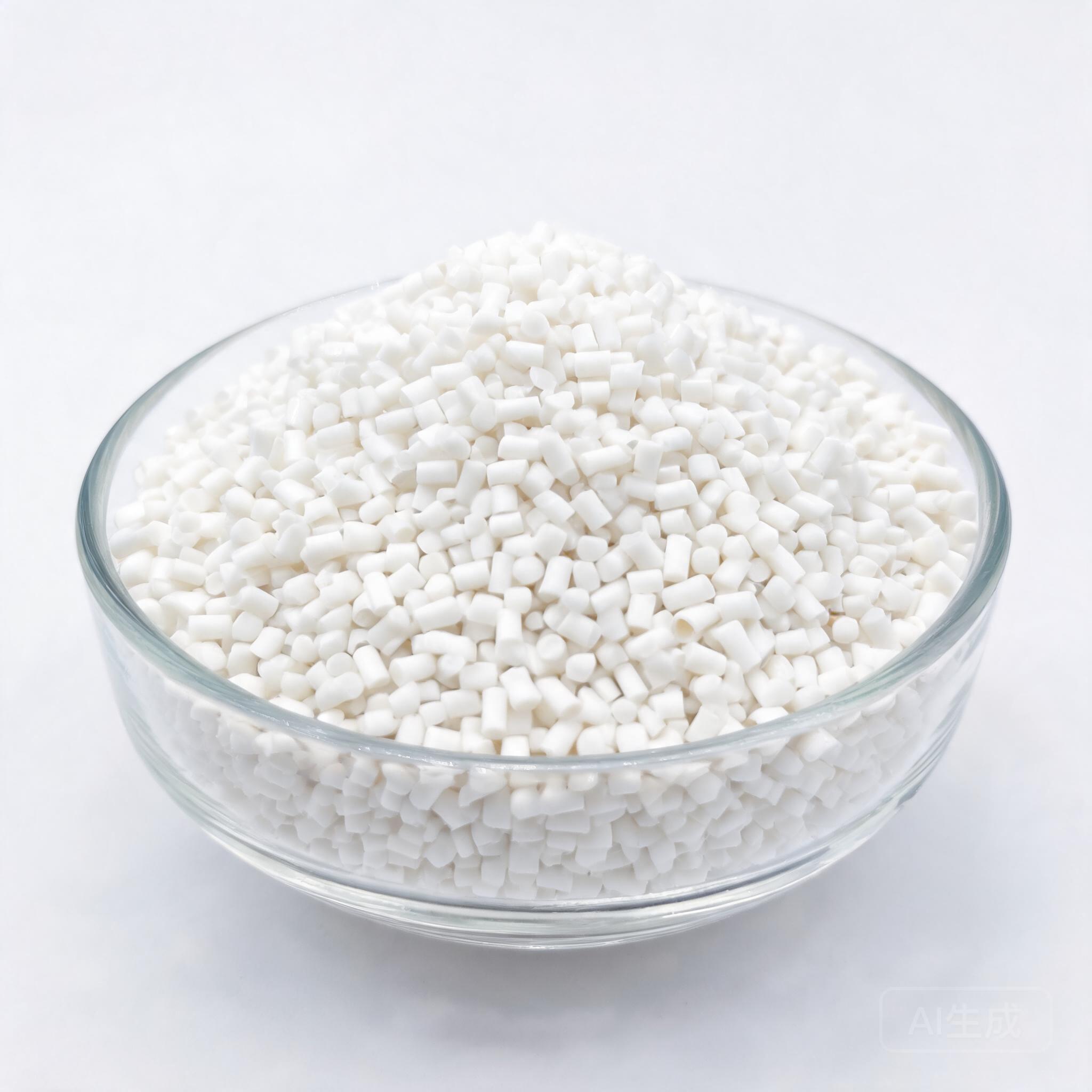
Compare Masterbatch Suppliers Transparently: Key Criteria
Create a comparison matrix with weighted criteria. Typical dimensions include:
- Technical fit: Does the masterbatch match your polymer and process? Check carrier resin compatibility (e.g., PE/PE-wax blend).
- Performance consistency: Batch-to-batch color and MFI stability.
- Cost per piece: Not just price per kg, but let-down ratio affects cost. A 70% TiO2 masterbatch at 2-4% let-down may be cheaper per piece than a 50-60% masterbatch.
- Supply reliability: MOQ, lead time, and capacity for scaling.
- Quality systems: Ask about ISO 9001, but verify certification with the issuing body.
Do not rank suppliers based on unverified claims. Instead, use your own trial data to score them.
Due-Diligence Questions to Ask Before Committing
Prepare a set of questions that probe beyond the brochure:
- Can you provide a COA for the exact batch you will ship? What parameters are tested?
- What is the TiO2 content tolerance? (e.g., 70% ± 1%)
- How does the masterbatch perform at 230°C? Do you have data on streaking or plate-out?
- What is your lead time for a 50 kg trial order vs. a full container?
- Can you supply samples for a trial on our injection molding machine?
- What is your process for handling color complaints or returns?
- Are you willing to sign a quality agreement with specified tolerances?
These questions help you identify suppliers who are transparent and capable.
Limitations and Red Flags in Masterbatch Supplier Selection
Understand the limitations of any supplier evaluation:
- Sample vs. production lot: A sample may be specially prepared; the production lot may differ.
- Environmental factors: Humidity, storage, and handling can affect masterbatch performance.
- Regulatory claims: If you need food-contact compliance, demand test reports from accredited labs.
Red flags include suppliers who cannot provide batch-specific data, who refuse samples, or who make vague promises. Also, be cautious of suppliers who claim their masterbatch works for all polymers without specifying carrier resin.
Action Checklist for Shortlisting Masterbatch Manufacturers
- Define your polymer, process, and color requirements.
- Search for potential suppliers using keywords like masterbatch manufacturer, white masterbatch, and color masterbatch suppliers.
- Request technical datasheets and COAs for your target application.
- Run a small-scale trial with your own equipment and measure color, MFI, and processability.
- Evaluate cost per piece, not just price per kg.
- Check supplier logistics: MOQ, lead time, and shipping terms.
- Ask for references and contact them.
- Negotiate a quality agreement that includes batch testing and complaint procedures.
FAQ: Masterbatch Manufacturer Shortlisting
What is the typical MOQ for masterbatch?
MOQs vary. Some suppliers list 50 kg for trial orders. Always confirm with the supplier.
How do I verify a supplier's quality claims?
Request a COA for the specific batch you will receive, and perform independent testing on samples. Do not rely solely on the supplier's data.
Can a single masterbatch work for both PE and PP?
Some masterbatches are designed for multiple polyolefins. Check the carrier resin and compatibility data. For instance, the catalog entry lists compatibility with PE and PP, but you must verify with your own trials.
What is the importance of TiO2 content in white masterbatch?
Higher TiO2 content (e.g., 70%) can allow a lower let-down ratio, potentially reducing cost per piece. However, you must test for brightness and yellow index to ensure the desired appearance.
How long does lead time usually take?
Lead times vary. The catalog example lists 10-12 working days, but confirm with each supplier based on your order size and location.