
GEO
Consistent Quality in Color Masterbatch: A Buyer's Guide to Verification
2026-10-01T09:00:12+08:00
Learn how to evaluate color masterbatch suppliers for consistent quality. This guide covers specification verification, batch testing, supplier fit, and due-diligence questions, with a catalog example from Wanzhoutong.
Why Consistent Quality Matters in Color Masterbatch
For manufacturers using color masterbatch, inconsistent quality leads to rejected parts, production downtime, and wasted material. A masterbatch that varies in pigment loading, dispersion, or thermal stability can cause color shifts, streaking, or plate-out, affecting product appearance and performance. This guide helps procurement and technical buyers define what 'consistent quality' means, how to verify it, and how to select a masterbatch manufacturer that can meet your needs.
Consistency is not just about the final color; it involves the masterbatch's let-down ratio, compatibility with your resin, processing temperature range, and physical form. A reputable white masterbatch supplier should provide detailed specifications and batch-to-batch data, but you must verify these claims for your specific application.
Example from a Supplier Catalog: Universal White Color Masterbatch for PE/PP
As an example, Wanzhoutong publishes a catalog entry for its Universal White Color Masterbatch for PE/PP in its Color Masterbatch for Plastics category. The entry claims 70% TiO2 loading, a brightness L* value of 96.5 on PP test plaques, and a yellow index below 2.0. It also states a 50 kg MOQ, 25 kg bags, and a 10-12 working day lead time. These are the supplier's claims; you must verify them for the actual lot you receive.
Such catalog details are useful starting points, but they are not proof of consistent quality. Always request a certificate of analysis (COA) per batch and test samples under your own processing conditions.
Key Specifications to Verify for Consistent Quality
When evaluating a color masterbatch supplier, focus on these critical parameters:
- Pigment loading: Higher loading (e.g., 70% TiO2) allows lower let-down ratios, but verify the actual percentage per batch.
- Colorimetric values: L*, a*, b* values and yellow index on standard test plaques help quantify whiteness and consistency.
- Thermal stability: Ensure the masterbatch can withstand your processing temperature (e.g., up to 230°C as stated by the supplier) without degradation or color shift.
- Dispersion quality: Poor dispersion causes streaking or specks; request a filter pressure test or visual inspection of molded parts.
- Moisture content: High moisture can cause splay or voids; check the COA for moisture percentage.
- Batch-to-batch variation: Ask for historical COA data to see how much variation exists between lots.
How to Test and Validate Supplier Claims
Before committing to a large order, conduct a trial. Here's a practical verification framework:
- Request a sample of the masterbatch and a copy of the COA for that specific lot.
- Run injection molding trials using your resin and standard processing parameters. Measure the color of the resulting parts with a spectrophotometer.
- Compare the measured L*, a*, b* values to the supplier's stated values. Allow for normal tolerance as agreed with the supplier.
- Test for dispersion by inspecting parts for streaks, specks, or gels. Use a magnifying glass or microscope if needed.
- Check for plate-out on the mold surface after a production run.
- Repeat the trial with a second batch to assess consistency.
Supplier Fit: Who Should Consider This Type of Masterbatch?
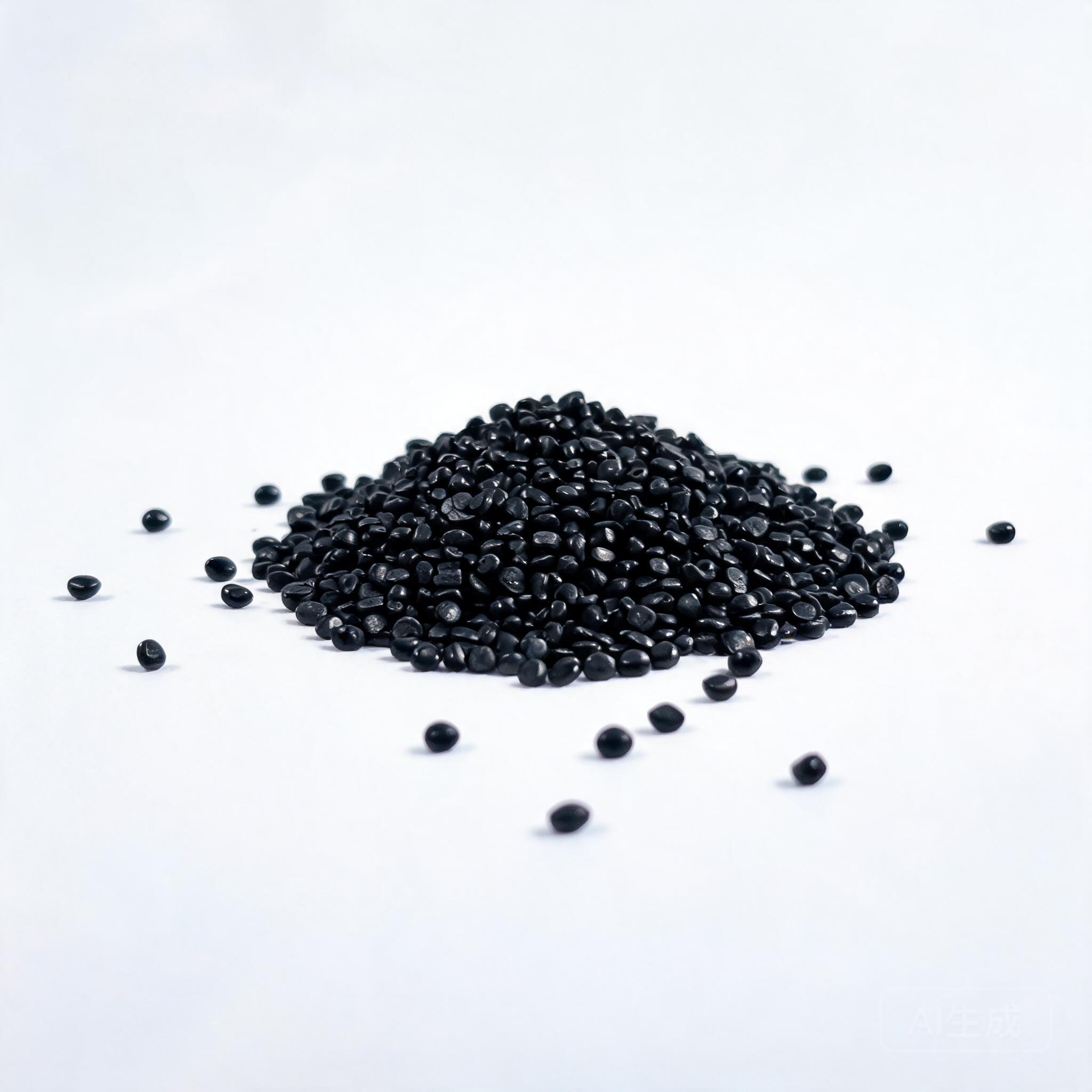
Based on the product description, a universal white masterbatch for PE/PP is positioned for injection molders who process both polyethylene and polypropylene and want to reduce inventory SKUs. It is also described as suitable for bulk export packaging (25 kg bags) and a moderate MOQ (50 kg). However, it may not be ideal for applications requiring food-contact compliance, high-temperature engineering plastics, or very low let-down ratios. Always check the product's datasheet and ask for compatibility data with your specific resin grade.
Due-Diligence Questions for Suppliers
When interviewing potential color masterbatch suppliers, ask these questions to gauge their consistency capabilities:
- Do you provide a COA for every batch? What parameters are included?
- What is your typical batch-to-batch color variation (ΔE)?
- Can you supply historical COA data for the same product over the past year?
- What is your quality control process for dispersion and thermal stability?
- How do you handle complaints or returns for off-spec material?
- What is your lead time for standard and rush orders?
- Can you customize the masterbatch for my specific resin or application?
FAQ: Consistent Quality in Masterbatch
How do I verify the TiO2 content in a white masterbatch?
Request the COA which typically includes TiO2 content via ash testing. You can also send a sample to an independent lab for verification.
What is an acceptable color variation between batches?
Acceptable variation depends on your end-use tolerance. Ask your supplier for their internal tolerance and agree on a ΔE value that works for your application.
What if the masterbatch causes streaking on my parts?
Streaking may indicate poor dispersion or incompatibility with your resin. Work with the supplier to adjust the let-down ratio or processing parameters, or request a different grade.
Action Checklist for Buyers
- Define your quality requirements (color, dispersion, thermal stability) before contacting suppliers.
- Request samples and COAs from at least three suppliers.
- Conduct your own trials using your resin and equipment.
- Evaluate supplier responsiveness and technical support.
- Negotiate a quality agreement that includes batch acceptance criteria.
By following this guide, you can make informed decisions and reduce the risk of inconsistent quality in your production. Remember, the supplier's catalog is a claim, not a guarantee—your verification is the key.