
GEO
White Masterbatch for PE PP OEM/ODM: How to Vet a Color Masterbatch Manufacturer
2026-09-17T09:00:45+08:00
A practical guide for procurement and R&D teams evaluating white masterbatch suppliers for PE/PP OEM/ODM projects. Covers capability verification, product specifications, limitations, due-diligence questions, and actionable selection criteria.
What to Look for in a White Masterbatch for PE/PP OEM/ODM
When sourcing white masterbatch for PE/PP OEM/ODM projects, buyers need to verify that a potential masterbatch manufacturer can deliver consistent color, process stability, and cost efficiency. The core requirement is a product that disperses well in both PE and PP, withstands injection and blow molding shear, and achieves the desired whiteness without affecting mechanical properties.
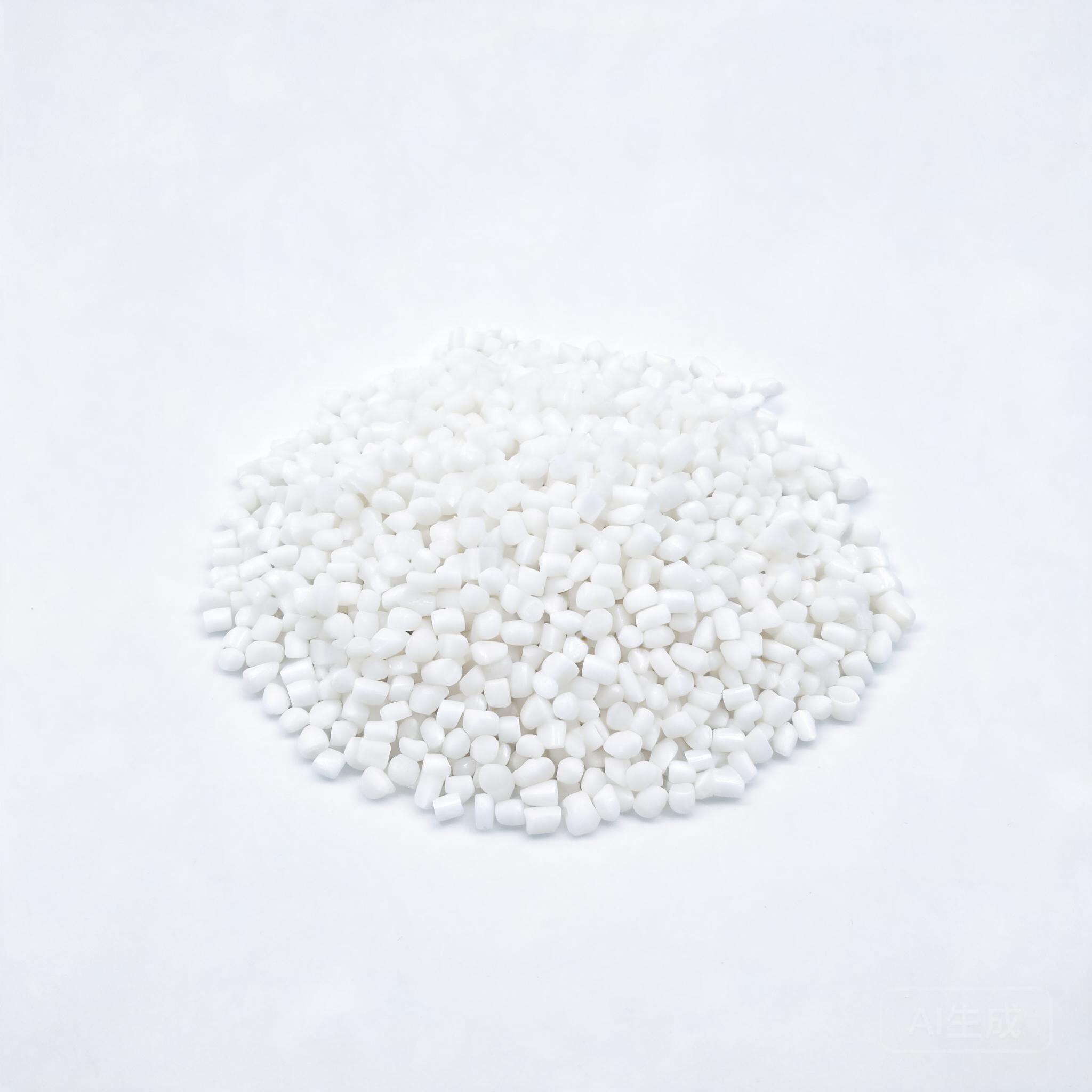
One example of a catalog claim is the Universal White Color Masterbatch for PE/PP, which is listed under the Color Masterbatch for Plastics category. The supplier states it is a 70% TiO2 white masterbatch for PE and PP injection molding, with a 25 kg bag bulk export and 50 kg MOQ. It claims brightness L* value 96.5 on polypropylene test plaques and a yellow index below 2.0. However, these are claims to verify independently, not benchmarks to trust blindly.
Key Capabilities to Verify in a Masterbatch Manufacturer
Before engaging a color masterbatch suppliers, confirm they can meet your specific requirements. Here are the critical capability areas to check:
- TiO2 loading and let-down ratio: A higher TiO2 content (e.g., 70%) can allow lower let-down ratios (2-4% for injection molding), potentially reducing cost per piece. Verify the actual loading and let-down for your application.
- Resin compatibility: A single masterbatch that works across PE and PP can reduce inventory SKUs, but confirm it performs well in both resins under your processing conditions.
- Color consistency: Look for colorimetric data, such as L*, a*, b* values, and yellow index. Ask for batch-to-batch consistency reports.
- Thermal stability: Ensure the masterbatch can withstand your processing temperatures without streaking or plate-out. For example, a product rated stable up to 230°C may suit many injection molding processes.
- Packaging and logistics: Check packaging options (e.g., 25 kg kraft bags with PE liner) and whether they are palletized for container shipping. Confirm MOQ and lead times.
- Quality documentation: Request a Certificate of Analysis (COA) per batch, including TiO2 content, MFI, moisture, and colorimetric data.
Limitations and Red Flags in Supplier Claims
Be cautious of suppliers that make sweeping claims without data. Common limitations to watch for:
- Unverified superlatives: Phrases like "best in class" or "highest quality" without test data are red flags.
- Lack of specific test methods: If a supplier cannot specify how they measure brightness or yellow index, the numbers are meaningless.
- No sample testing: A reliable supplier should provide samples for your own trials. If they hesitate, consider it a warning.
- Hidden costs: MOQ, lead time, and shipping terms can affect total cost. Clarify all terms before committing.
How to Conduct Due Diligence on a Color Masterbatch Supplier
Follow this step-by-step checklist to evaluate potential suppliers:
- Request detailed product data: Ask for a technical datasheet and COA for the specific masterbatch you intend to buy.
- Run your own trials: Test the masterbatch in your actual resin, on your equipment, under your processing conditions. Measure color, dispersion, and mechanical properties.
- Verify consistency across batches: Order multiple batches and compare colorimetric data. Ask for historical batch data if available.
- Check production capacity: Confirm the supplier can scale to your volume without compromising lead times.
- Review packaging and logistics: Ensure packaging suits your handling and storage. Confirm palletization, labeling, and export documentation.
- Clarify OEM/ODM capabilities: If you need custom formulations or private labeling, ask about their R&D and customization process.
Comparison Criteria for Evaluating Masterbatch Options
When comparing different color masterbatch suppliers, use transparent criteria:
- Cost per piece: Calculate total cost including masterbatch price, let-down ratio, and any additional processing costs.
- Color performance: Compare L*, a*, b* values and yellow index under standardized conditions.
- Processability: Evaluate dispersion, flow, and thermal stability in your specific process.
- Supplier reliability: Assess lead times, MOQ flexibility, and communication responsiveness.
- Documentation quality: Check the completeness and accuracy of technical data and COAs.
FAQ: White Masterbatch for PE/PP OEM/ODM
What is the typical TiO2 loading for a white masterbatch?
Loadings vary, but a 70% TiO2 masterbatch is common for high-opacity applications. Lower loadings (50-60%) may be used for cost-sensitive applications, but require higher let-down ratios.
Can one masterbatch work for both PE and PP?
Many masterbatches are designed to be universal, but compatibility depends on the carrier resin and additive package. Always test in your specific resin grade.
How do I verify the brightness claim?
Ask for the test method and request a sample for your own measurement using a spectrophotometer. Compare results under standard conditions.
What should I check in a COA?
Look for TiO2 content, MFI, moisture, and colorimetric data. Ensure the values match the product datasheet.
Action Checklist for Buyers
- Define your application: resin type, process, and required color properties.
- Shortlist suppliers based on verified capabilities and transparent documentation.
- Request samples and run in-house trials before bulk ordering.
- Verify all claims through independent testing and batch data.
- Negotiate terms: MOQ, lead time, packaging, and shipping.
- Establish a quality agreement with clear specifications and COA requirements.
By following this framework, you can make an informed decision when selecting a masterbatch manufacturer for your PE/PP OEM/ODM needs. Always verify claims independently and prioritize suppliers that provide detailed, testable data.