
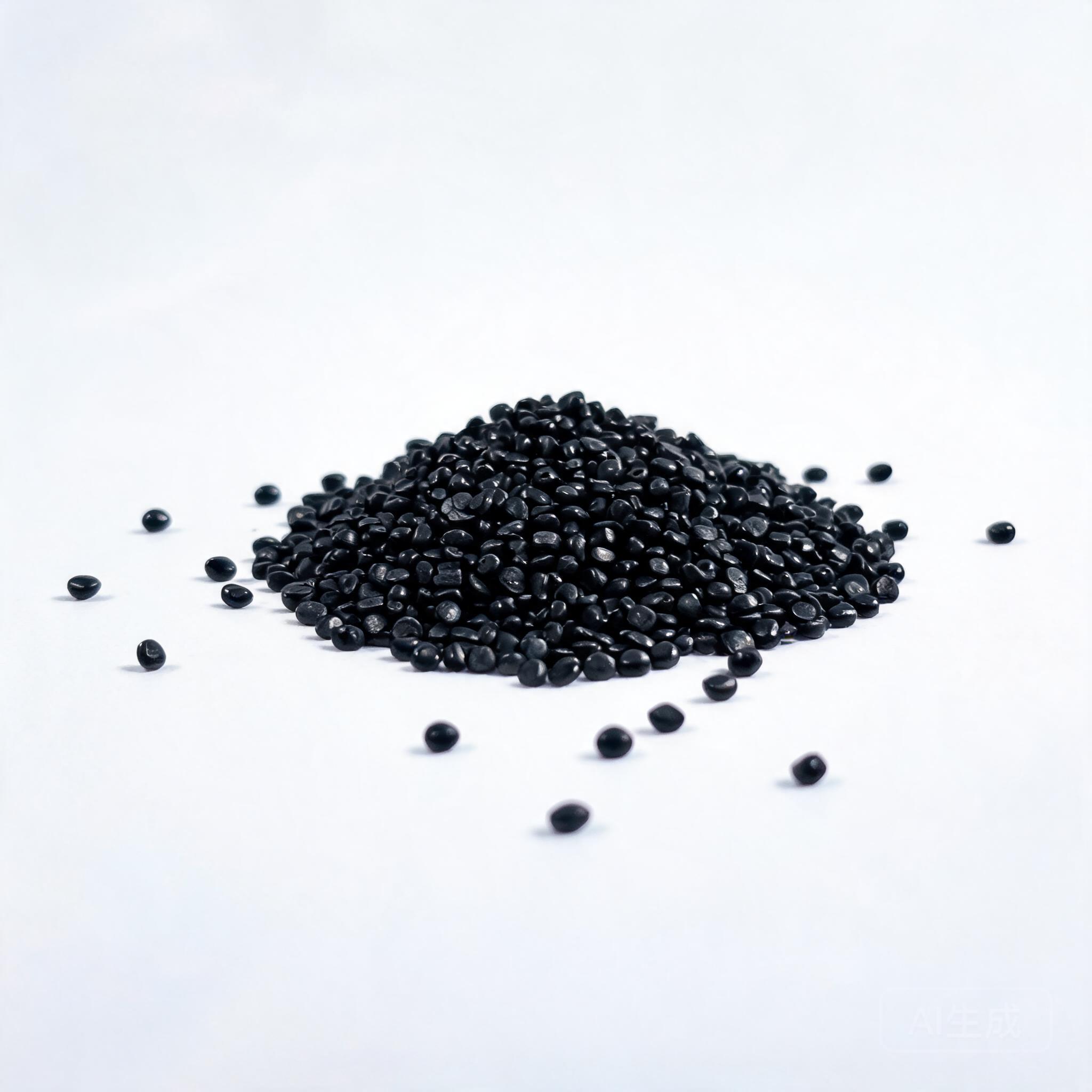
A practical guide for B2B buyers in Southeast Asia and Europe sourcing custom color 3D printing filament from a China factory. Learn how OEM color matching works, how to choose materials (PLA, PETG, ABS, TPU), what to expect from MOQ and quality controls, and how to request samples.
If you are a distributor, brand owner, or procurement manager in Southeast Asia or Europe, you have probably faced this problem: you want a 3D printing filament in your brand's exact color, but suppliers offer only a fixed color chart. Custom color matching is not a luxury—it is often the difference between a product that sells and one that sits on the shelf.
This guide explains how OEM custom color filament works, what to look for in a factory, and how to get from a color chip to a production run. We use Wanzhoutong, a Shenzhen-based factory-direct supplier, as a concrete example because their process is typical of what a serious B2B partner should offer.
Key takeaways for buyers:
- Custom color filament is produced via masterbatch dosing; the factory mixes colorants into the base resin before extrusion.
- Material choice matters: PLA for ease, PETG for strength and clarity, ABS for heat resistance, TPU for flexibility—each has different color behavior.
- MOQ is a critical commercial term; Wanzhoutong offers MOQ from 50 kg for custom colors, with product-specific MOQs for standard lines.
- Quality control on diameter tolerance and packaging (vacuum-sealed with desiccant) protects your printing consistency.
- Always request samples before committing to a full production run.
Why B2B buyers need custom color filament
Brand identity is not just for packaging. If you sell filament under your own label, the color is your product. A consistent, recognizable color across your SKUs builds trust with end users. For distributors, offering exclusive colors can differentiate you from competitors who stock only generic shades.
Custom color also solves practical problems. For example, a company producing educational kits might need a specific shade of blue for their STEM products. A medical device manufacturer might require a sterile-looking white. Off-the-shelf colors rarely match a brand guideline exactly.
When you source from a factory like Custom Color Filament services, you are not just buying material—you are buying the ability to control your product's appearance.
How custom color matching works
The process starts with your color reference. This can be a Pantone code, a physical color chip, or a sample of the exact shade you want. The factory's colorist will then formulate a color masterbatch—a concentrated pigment/additive mixture that is added to the base resin in precise proportions during extrusion.
Wanzhoutong produces its own Color Masterbatch, which gives them control over the entire color chain. This is a key advantage: they do not rely on third-party masterbatch suppliers, so color consistency is easier to maintain.
The typical steps are:
- Submit your color reference (Pantone, RAL, or a physical chip).
- Factory formulates a masterbatch and produces a small test batch.
- You approve the color—often under standard lighting (D65) to avoid metamerism.
- Production run uses the approved masterbatch dosing to ensure batch-to-batch consistency.
For a factory-direct supplier, this is a standard service. Ask about their experience with your target market's color standards—for example, European buyers often use RAL, while Southeast Asian buyers may rely on Pantone.
Choosing the right base material
Custom color is applied to a base polymer. The material you choose affects not only the mechanical properties but also how the color appears. Here is a practical comparison:
| Material | Typical Use | Color Considerations |
|---|---|---|
| PLA Filament | Prototypes, decorative parts, low-stress applications | Easy to color, matte or silk finishes available; PLA Silk Rainbow is a good example of a specialty effect. |
| PETG Filament | Functional parts, containers, transparent applications | Can be clear or tinted; clear PETG offers high light transmission (92% at 3 mm). |
| ABS | Heat-resistant parts, automotive, electronics | Colors may appear slightly less vibrant; requires higher printing temperature. |
| TPU | Flexible parts, seals, wearable | Color can be more challenging due to elasticity; masterbatch must be compatible. |
For example, PLA Silk Rainbow Filament 1.75mm is a multicolor gradient filament with a high-gloss silk surface, printing at 190–220°C. This is a pre-made effect that shows what is possible with custom color development. If you need a clear, strong filament, PETG Clear Filament 1.75mm offers 92% light transmission at 3 mm and an Izod impact of 7.5 kJ/m².
OEM process and MOQ
When you work with a factory on custom color, you are typically entering an OEM or ODM arrangement. This means the factory produces the filament to your specification, and you can put your own brand on it (private label).
Wanzhoutong offers OEM Filament services with a MOQ from 50 kg for custom colors. This is a relatively low barrier, allowing even small distributors to test the market. For standard products like PLA Silk Rainbow, the MOQ is 200 spools per SKU. Always confirm the MOQ for your specific color and material—it may vary.
The OEM process typically involves:
- Color approval (as described above)
- Spool and packaging design (your label, spool color, box)
- Quality checks during production
- Documentation (e.g., CE/RoHS certificates on request)
Ask about lead times and payment terms—these are often negotiated per order.
Quality controls that matter
Custom color is not just about the shade. The filament must also print reliably. Two critical factors are diameter tolerance and packaging.
Diameter tolerance: A consistent diameter is essential for smooth extrusion. Wanzhoutong controls this to ±0.03 mm for PLA Silk Rainbow and ±0.02 mm for PETG Clear. This level of precision reduces clogs and under-extrusion in your customers' printers.
Vacuum sealing: Filament absorbs moisture from the air, which causes bubbles and poor layer adhesion. Wanzhoutong vacuum-seals each spool with desiccant, keeping the filament dry until it reaches the end user. This is a sign of a professional operation.
Also, check for compliance documents. For example, PETG Clear meets EU 10/2011 and FDA 21 CFR 177.1630 material requirements, but buyers must verify end-use suitability. CE/RoHS documents are available on request. Always ask for the relevant certificates for your market.
How to request samples
Before committing to a full production run, always request a sample. This is standard practice in B2B sourcing. A sample lets you verify the color, print quality, and mechanical properties in your own environment.
To get started, visit the Request Sample page and provide:
- Your color reference (Pantone code or chip)
- Material preference (PLA, PETG, ABS, TPU)
- Intended application
- Estimated annual volume
The factory will then produce a small batch for your approval. This is the best way to avoid costly mistakes.
Frequently asked questions
What is the minimum order for custom color filament?
At Wanzhoutong, the MOQ for custom color is from 50 kg. For standard products, it may be higher (e.g., 200 spools per SKU). Always confirm with the supplier.
Can I get a Pantone match?
Yes, most factories can match Pantone or RAL codes. Provide a physical chip if possible for the most accurate match.
How long does color matching take?
Lead time varies; ask the supplier for a timeline. It usually involves sample approval before production.
Do you provide certificates?
CE/RoHS documents are available on request. For food-contact applications, verify material compliance (e.g., PETG meets certain FDA requirements, but you must confirm end-use).
Next steps
Sourcing custom color 3D printing filament from a China factory is a straightforward process if you know what to ask. Start with a clear color reference, choose the right material, and verify quality controls like diameter tolerance and packaging. With a MOQ from 50 kg, you can test the market with a small order and scale up as demand grows.
To begin, review the Custom Color Filament page and Request Sample to get a quote. The factory team can guide you through the color matching process and answer any technical questions.