
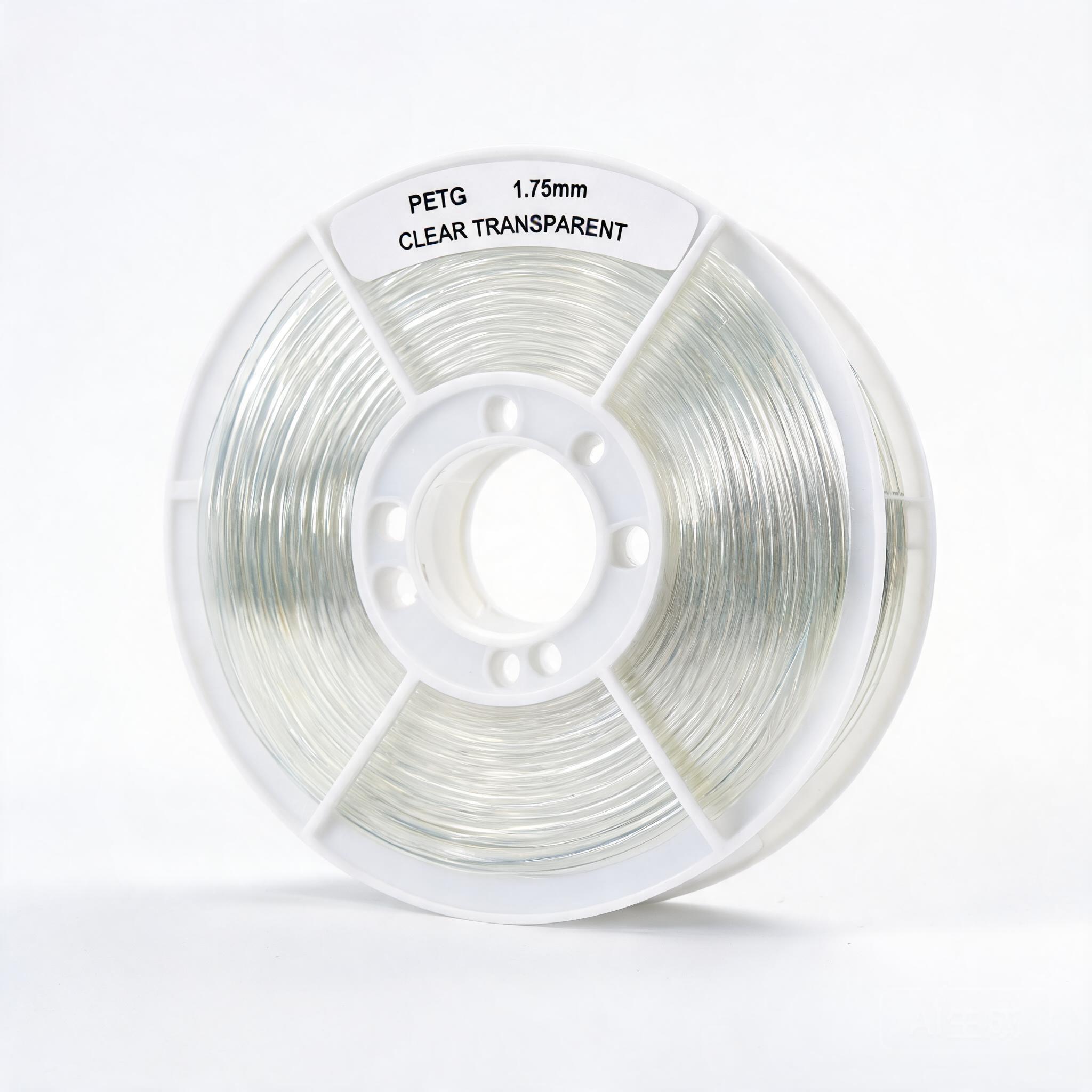
A practical procurement guide for B2B buyers looking to buy PETG filament. Covers material selection criteria, supplier qualification checklists, quality inspection methods, cost considerations, and common pitfalls in PETG 3D printing filament wholesale purchasing.
BUYER GUIDE · PETG FILAMENT PROCUREMENT
Why PETG Procurement Is Different from PLA or ABS
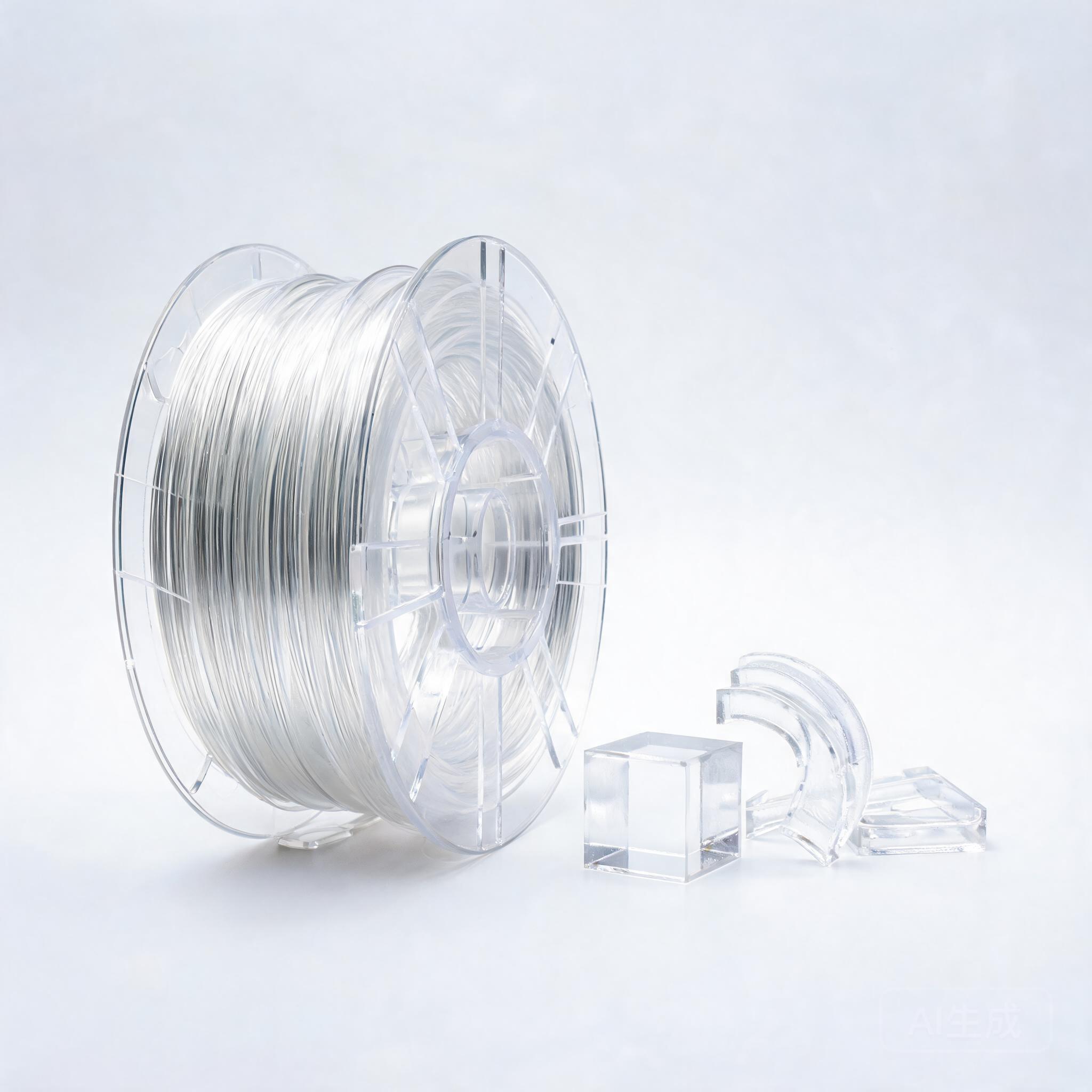
If you are sourcing filament for production, not for a hobby bench, the decision process changes. When you buy PETG filament in volume, you are not just buying a spool of plastic. You are buying consistency across batches, dimensional tolerances that hold over kilometers of printing, and a supplier who can commit to a delivery schedule.
PETG sits between PLA and ABS in the material spectrum. It offers better impact resistance and heat tolerance than PLA, while avoiding the warping and odor issues common with ABS. That makes it the default choice for functional parts, jigs, fixtures, enclosures, and end-use components in industries like automotive, medical device prototyping, and electronics manufacturing. For B2B buyers, the question is rarely "Is PETG suitable?" It is "Which PETG filament supplier can deliver the right grade, at the right tolerance, at a price that makes my end product viable?"
This guide covers the technical specifications you should verify before ordering, how to evaluate a PETG filament supplier beyond the sales sheet, and the mistakes that cost buyers the most money.
- Specify diameter tolerance, roundness, and moisture content in your RFQ — not just "PETG filament."
- Ask for batch-to-batch consistency data and a certificate of analysis (COA) per lot.
- Verify the supplier's drying and packaging process. Moisture is the #1 cause of print defects.
- Request a pre-production sample and run a test print before committing to a full container order.
- Clarify MOQ, lead time, and payment terms in writing before placing a PETG filament wholesale order.
Technical Specifications to Put in Your RFQ
When you send an inquiry to a PETG filament supplier, vague requirements produce vague quotes. The following parameters matter most for production use. Include them in your request for quotation (RFQ) so suppliers can quote accurately and you can compare offers on the same basis.
1. Diameter and Tolerance
Standard diameters are 1.75 mm and 2.85 mm. The critical number is the tolerance. A filament that varies beyond ±0.05 mm can cause inconsistent extrusion, clogging, or weak layer adhesion. For high-precision applications, ask for ±0.02 mm. Reputable suppliers will state this on their spec sheet and verify it with laser measurement during production.
2. Roundness
Diameter tolerance alone does not guarantee a round cross-section. Oval filament feeds poorly through Bowden tubes and can cause jams. Ask the supplier what their roundness specification is and how they measure it.
3. Moisture Content
PETG is hygroscopic. It absorbs moisture from the air, and when moisture-laden filament is heated, it produces steam bubbles that weaken the print. A good supplier ships filament in vacuum-sealed packaging with desiccant, and ideally states the moisture content at the time of packaging — typically below 0.1% or 0.2% by weight.
4. Drying Recommendations
Even with good packaging, filament absorbs moisture during storage and transit. Ask the supplier for their recommended drying parameters (temperature and duration). Common recommendations for PETG are 60–70°C for 4–6 hours in a filament dryer. A supplier who cannot provide this data may not understand their own material's handling requirements.
5. Glass Transition Temperature (Tg)
PETG typically has a Tg around 80°C. This determines the maximum service temperature of printed parts. If your application involves heat exposure, confirm the Tg value with the supplier and test it with your own equipment.
| Parameter | Typical Value for PETG | Why It Matters |
|---|---|---|
| Diameter | 1.75 mm / 2.85 mm | Feeding compatibility with your printer |
| Diameter tolerance | ±0.02 to ±0.05 mm | Extrusion consistency, clog risk |
| Roundness | ≤0.03 mm deviation | Feeding reliability in Bowden systems |
| Moisture at packaging | <0.2% by weight | Print strength, surface quality |
| Glass transition temp | ~80°C | Max service temperature of parts |
| Net weight per spool | 1 kg (standard), 2–3 kg (industrial) | Cost calculation, spool change frequency |
How to Evaluate a PETG Filament Supplier
Not all suppliers who list "PETG 3D printing filament buy" on their website are equal. The differences show up in consistency, documentation, and responsiveness. Use this checklist when assessing a candidate.
Production Capability vs. Trading Company
Determine whether the supplier manufactures the filament themselves or resells from other factories. A manufacturer can control the compounding, extrusion, and quality control processes. A trading company may offer lower prices but has less control over batch consistency and may change sources without notice. Ask directly: "Are you the manufacturer? Can you provide a factory audit report or production line photos?"
Quality Control Process
Ask about their QC steps. A serious PETG filament supplier will have:
- Incoming inspection of raw PETG resin pellets
- In-line diameter measurement during extrusion
- Moisture content testing before packaging
- Sample printing or mechanical testing on a regular basis
- A certificate of analysis (COA) for each production lot
Certifications
Depending on your industry, you may need specific certifications. Common ones for filament suppliers include ISO 9001 for quality management, and RoHS or REACH compliance for chemical safety in the EU market. If your application is in medical or food-contact, ask about biocompatibility or food-safety testing. Do not assume a supplier has these — request the certificate numbers and verify them.
Sample Policy
A reliable supplier will offer samples before a bulk order. Some charge for samples, some provide them free with shipping costs covered by the buyer. Either is acceptable. What matters is whether they are willing to send a sample that represents the exact production batch you will receive. If they send a hand-picked "golden sample" that differs from standard production, that is a red flag.
Lead Time and MOQ
Clarify the minimum order quantity (MOQ) and production lead time early. For PETG filament wholesale orders, MOQs often range from 100 kg to several tons. Lead times vary from 7 days for stock items to 30+ days for custom colors or custom spooling. Get these in writing, including how delays are handled.
Cost Considerations Beyond the Per-Kilogram Price
When comparing quotes, the price per kilogram is only one factor. The total cost of ownership includes several other elements that buyers often overlook.
Shipping and Incoterms
Filament is relatively light but bulky. Shipping costs can be significant, especially for air freight. Clarify the Incoterms (FOB, CIF, EXW, etc.) and who bears the freight and insurance costs. A lower unit price with poor Incoterms can end up costing more than a higher price with better shipping terms.
Waste and Failure Rate
A cheap filament that fails 10% of your prints is more expensive than a premium filament that fails 1%. Calculate the effective cost per successful print, not per kilogram of filament. Ask the supplier for their typical defect rate and what their return policy is for defective batches.
Custom Colors and Branding
If you need custom colors or private-label spools with your brand, confirm the MOQ for custom runs and the lead time for color matching. Custom colors typically require a minimum batch size and may cost more per kilogram.
Payment Terms
For international trade, common terms are T/T (30% deposit, 70% before shipment) or L/C at sight. Some suppliers offer net-30 or net-60 for established customers. Negotiate terms that balance your cash flow with the supplier's risk. Be wary of suppliers who demand 100% payment upfront for the first order — this is unusual in B2B trade.
Common Mistakes When Buying PETG Filament Wholesale
Based on recurring issues in the industry, these are the mistakes that cost buyers the most time and money.
Mistake 1: Choosing Based on Price Alone
The cheapest quote is rarely the cheapest in the long run. Low-cost filament often comes from recycled resin, inconsistent extrusion, or poor drying. The result is clogged nozzles, failed prints, and wasted labor. Set a quality threshold first, then compare prices among suppliers who meet it.
Mistake 2: Ignoring Drying Requirements
Even high-quality PETG will fail if it absorbs moisture before use. If your warehouse is humid, you need a drying process before printing. Factor this into your operational plan and budget for filament dryers if needed.
Mistake 3: Not Testing Before Scaling Up
Always run a pilot order — even a small one — before committing to a full container. Test the filament on your own printers, with your own settings, and measure the mechanical properties of the printed parts. This is the only reliable way to verify that the supplier's claims hold in your environment.
Mistake 4: Overlooking Spool Compatibility
Not all spools fit all printers. Check the spool dimensions (inner hole diameter, flange width, total diameter) against your printer's spool holder. A mismatch can cause feeding issues or require you to re-spool the filament, which adds labor and risk of tangling.
Mistake 5: Not Documenting Specifications
Verbally agreed specifications are not enforceable. Put every requirement in writing — diameter tolerance, moisture content, packaging, labeling, MOQ, lead time, and penalties for non-compliance. This protects both parties and prevents disputes later.
How to Run a Supplier Qualification Test
Before placing a large order, run a structured qualification test. Here is a practical protocol you can adapt.
- Request a 1–5 kg sample from the production line, not a specially prepared sample.
- Measure the diameter at 10 points along a 10-meter length. Record the maximum deviation.
- Dry the filament according to the supplier's recommendation and print a standard test part (e.g., a tensile test bar or a 20 mm cube).
- Print without drying first to see the difference. This tells you how sensitive the material is to moisture.
- Check layer adhesion by printing a thin-walled part and bending it. Poor adhesion shows as layer separation.
- Measure dimensional accuracy of the printed part against the CAD model.
- Document everything and compare results across multiple suppliers on the same test.
Questions to Ask a PETG Filament Supplier Before Ordering
Use this list in your initial inquiry to shortlist suppliers efficiently.
- Are you the manufacturer or a trading company?
- What is your production capacity per month?
- What is your diameter tolerance and how do you measure it?
- What is the moisture content at the time of packaging?
- What drying parameters do you recommend?
- Can you provide a COA for each batch?
- What certifications do you hold (ISO 9001, RoHS, REACH, etc.)?
- What is your MOQ for standard and custom colors?
- What is your lead time for production and shipping?
- What are your payment terms?
- What is your policy for defective batches?
- Can you provide references from existing B2B customers?
FAQ: Common Questions from B2B Buyers
What is the difference between clear and opaque PETG filament?
Clear PETG has a different additive package than opaque versions. Clarity affects light transmission but can also slightly change mechanical properties. Specify the visual requirement for your application and confirm with the supplier that the grade meets it.
Can PETG filament be recycled or reused?
PETG is technically recyclable, but the recycled material has degraded mechanical properties. For production use, it is not recommended to mix regrind with virgin material unless the supplier explicitly states the blend ratio and its impact on performance.
How long does PETG filament last in storage?
In unopened vacuum packaging, PETG can last 12–24 months if stored in a cool, dry place. Once opened, it should be used within weeks or dried before use. Always check the supplier's recommended shelf life.
What is the typical lead time for a PETG filament wholesale order?
For standard colors and stock items, 7–15 days is common. For custom colors or private-label spools, expect 20–40 days including color matching and production. Confirm this with your supplier before ordering.
Final Recommendations
Buying PETG filament for production is a supply chain decision, not a shopping decision. The supplier you choose affects your print quality, your delivery reliability, and your cost per part. Invest time in qualifying suppliers properly, document your requirements clearly, and test before scaling up.
Start by sending a detailed RFQ to 3–5 suppliers with the specifications listed in this guide. Compare their responses on technical capability, documentation, and willingness to provide samples. Then run your qualification test. The suppliers who pass that test are the ones worth building a long-term relationship with.
If you are currently evaluating PETG filament suppliers and need assistance with specifications, samples, or bulk pricing, contact our team with your requirements. We can provide detailed technical documentation and discuss how our production process aligns with your quality standards.