
Technical guide on color masterbatch formulation for 3D filament. Covers carrier resin selection, pigment loading rates, Pantone matching process, and common defects.
Color consistency in 3D printing filament depends on masterbatch quality more than any other variable. A 0.5% difference in pigment loading changes the final color visibly, and the wrong carrier resin causes nozzle clogging or layer separation. This technical guide covers the formulation parameters that matter for PLA, PETG, and ABS filament production.
Carrier Resin Selection
The masterbatch carrier must match the filament base polymer's melt flow index (MFI) within 20% for proper dispersion. For PLA filament (MFI 6-10 g/10min at 210°C), use a PLA-based masterbatch. PETG (MFI 15-25 g/10min at 230°C) requires PETG carrier. Using a generic polyolefin carrier in PLA filament causes visible specks and weak layer bonds. Wanzhoutong produces carrier-matched masterbatch for each polymer type, with MFI data provided per batch.
Pigment Loading and Color Strength
Standard loading rates: white (TiO2) at 4-6%, black (carbon black) at 2-3%, organic colors at 3-5%, and specialty effects at 5-8%. Higher loading reduces filament tensile strength — each 1% pigment addition drops tensile modulus by approximately 2-3%. For deep Pantone colors requiring heavy loading, Wanzhoutong recommends a two-pass compounding process to maintain mechanical properties.
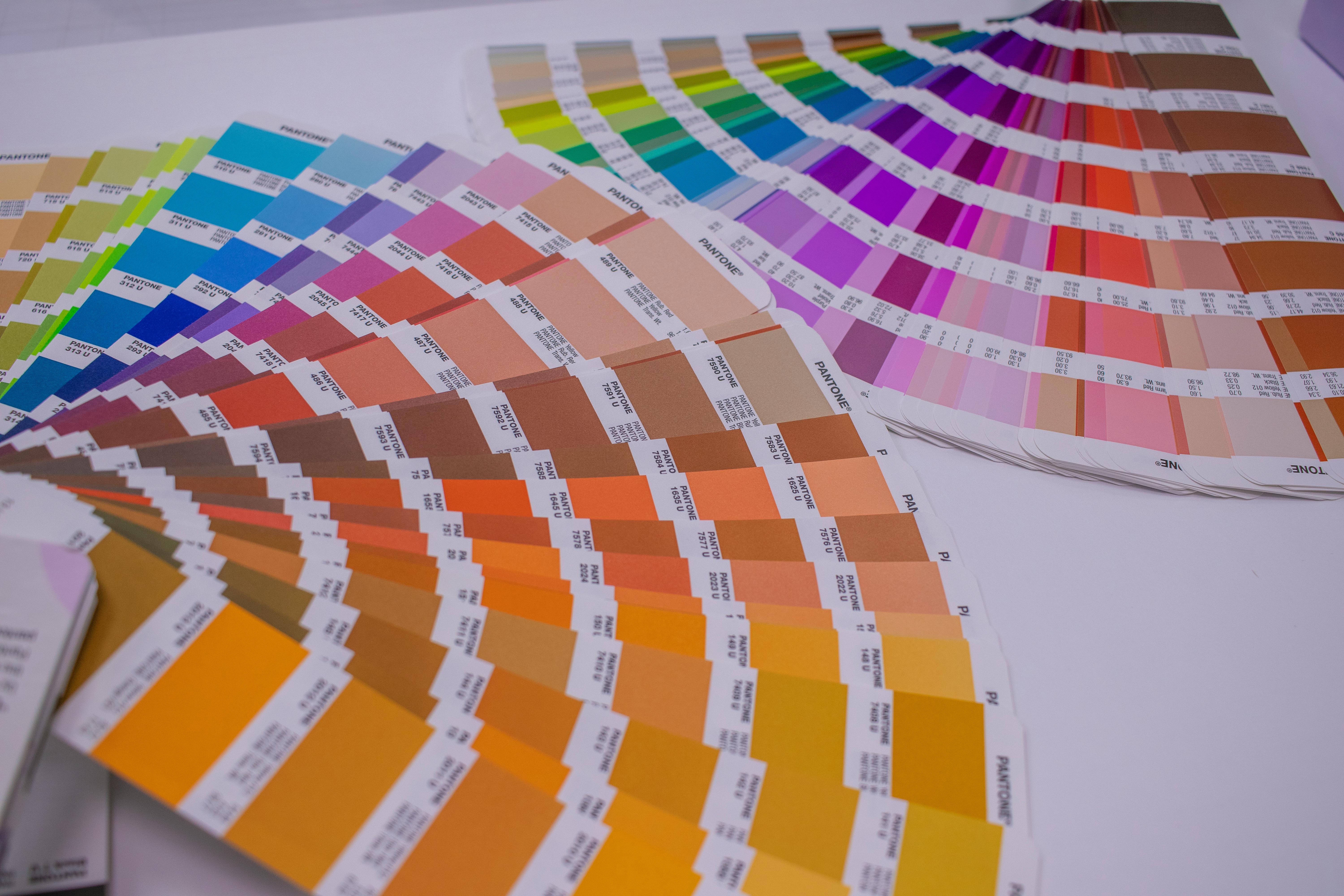
Pantone matching follows a 5-step process: spectrophotometer scan of the target color, formulation calculation in the color database, lab-scale extrusion of a 500g sample, color measurement under D65 illuminant, and adjustment of pigment ratios. Typical turnaround for a new Pantone match is 3-5 business days.
Common Color Defects and Solutions
Streaking or banding indicates poor pigment dispersion — increase extrusion screw RPM or use a dispersant additive at 0.5%. Color shift between spools means inconsistent masterbatch dosing — switch to a gravimetric feeder with ±0.1% accuracy. Yellowing after printing suggests thermal degradation of the pigment — check that the masterbatch is rated for the filament's printing temperature range. Wanzhoutong's masterbatch formulations include thermal stabilizers rated up to 260°C for ABS and 240°C for PETG.